Outdoor all year
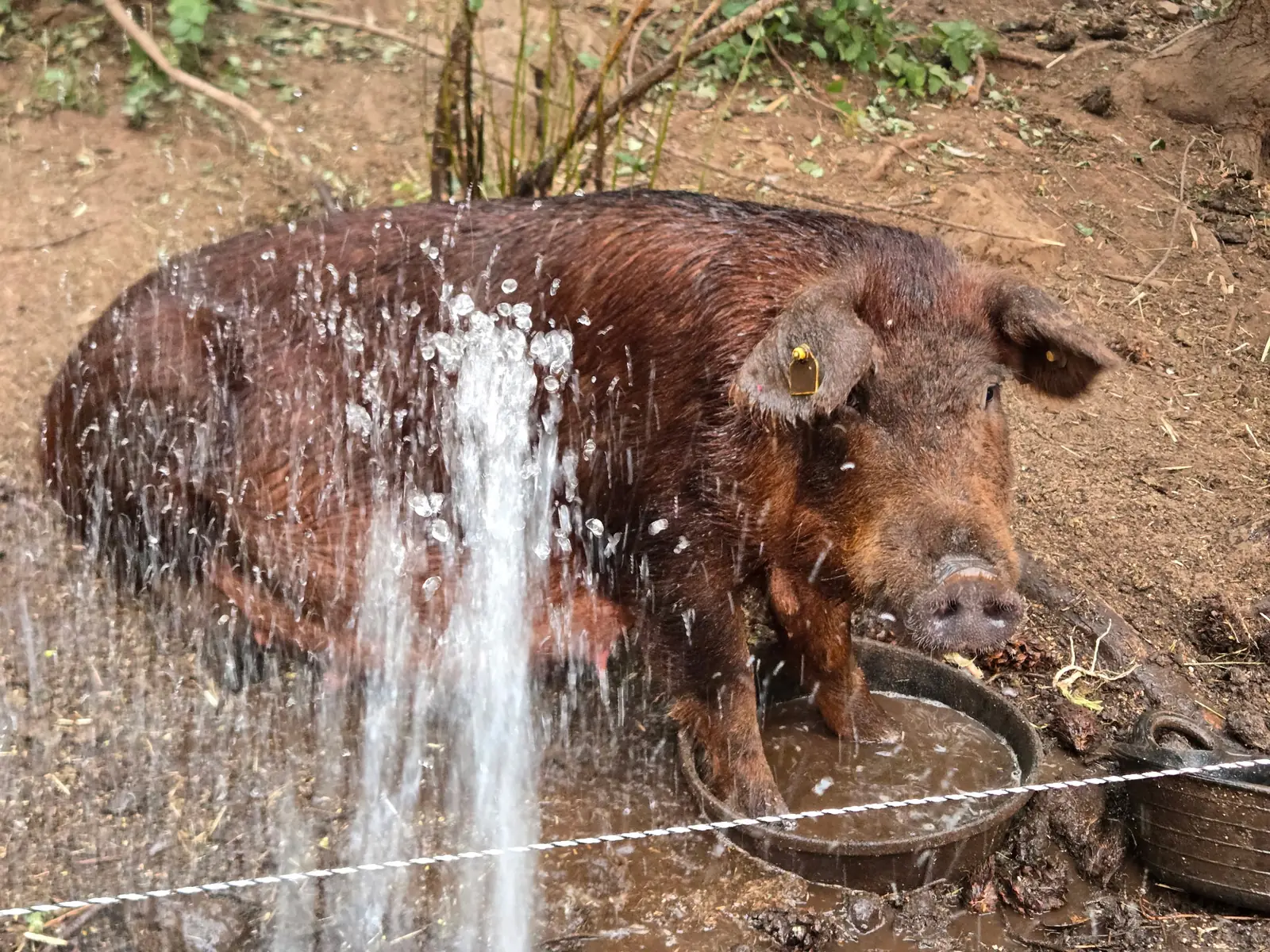
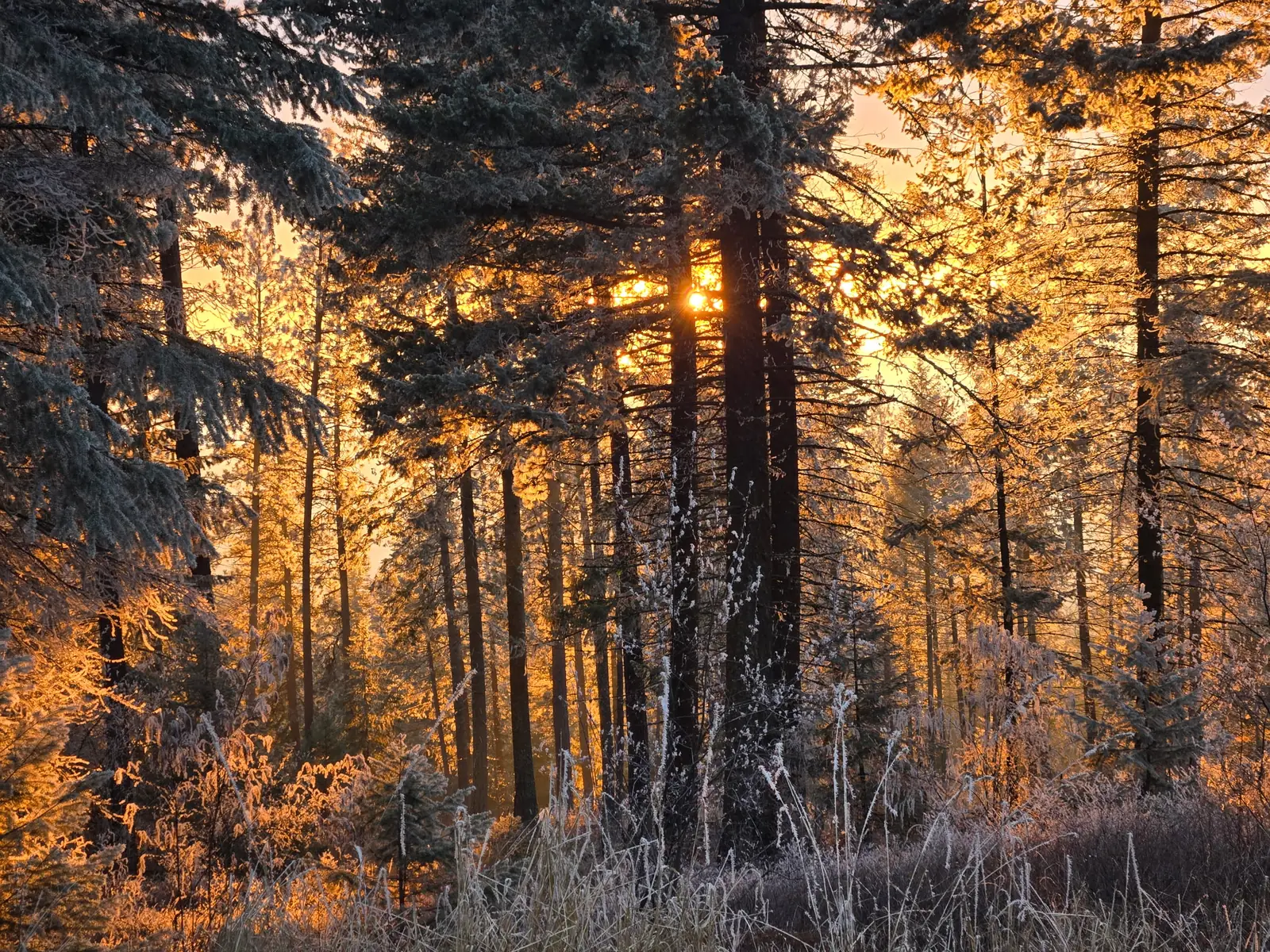
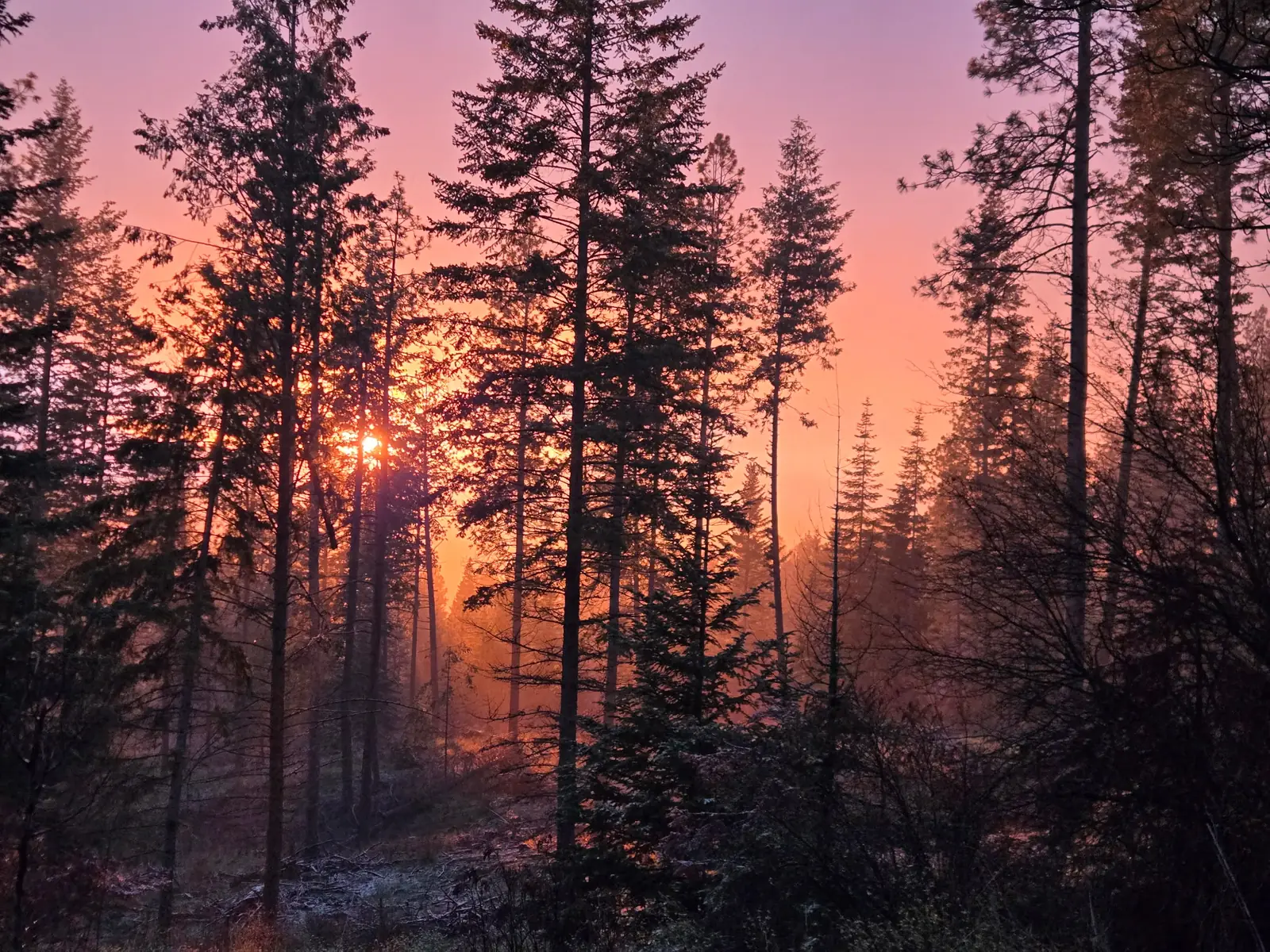
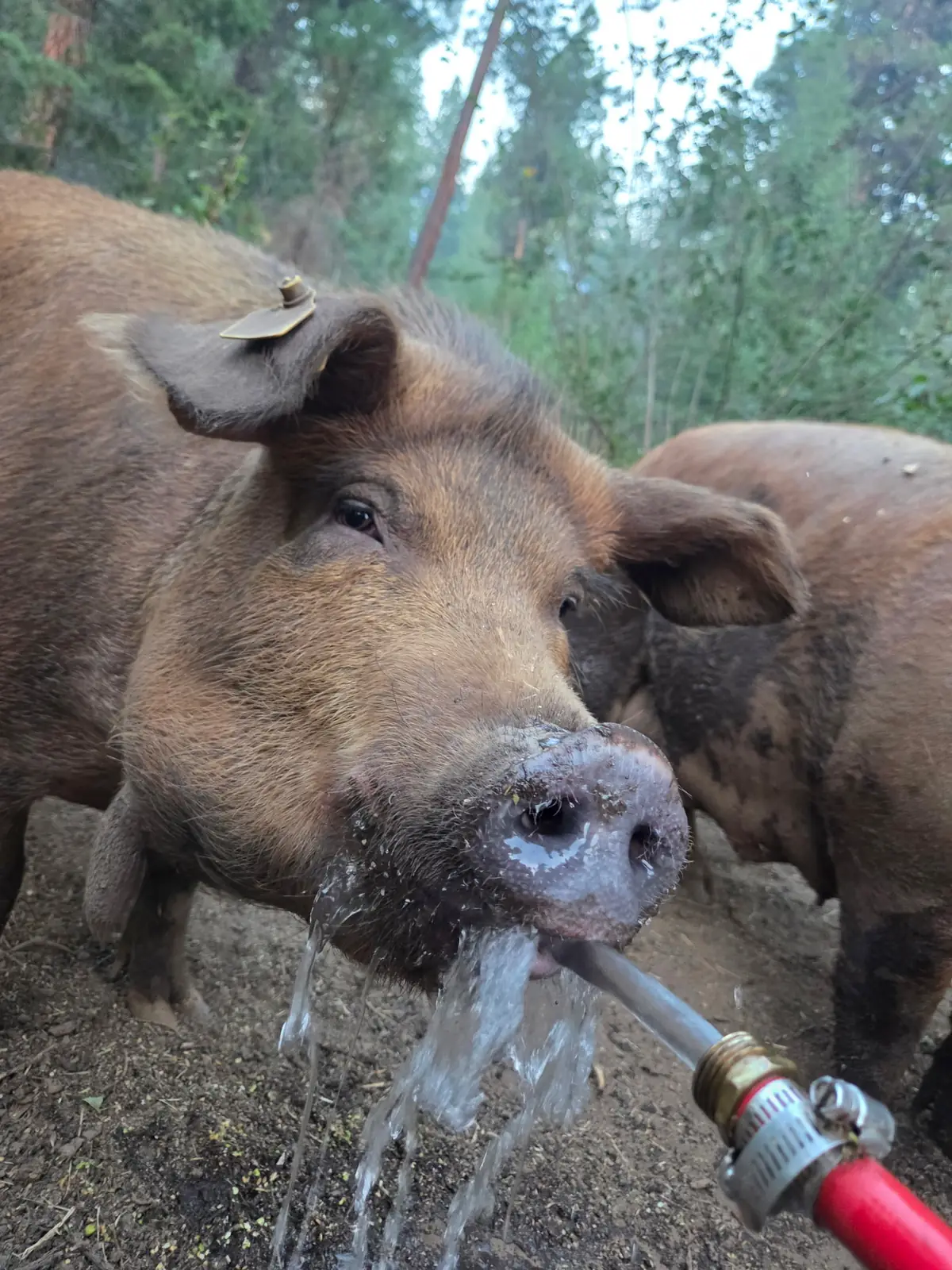
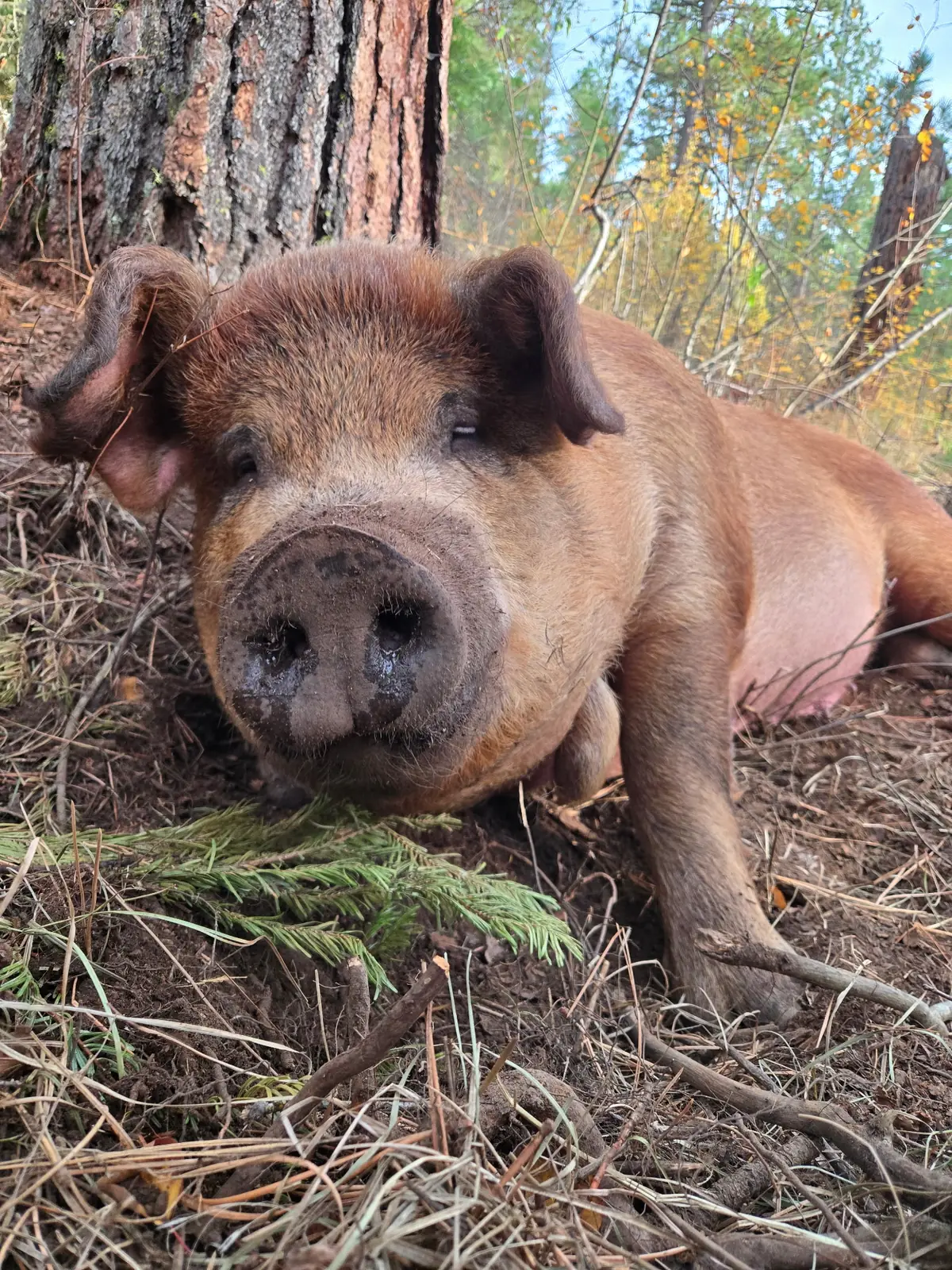
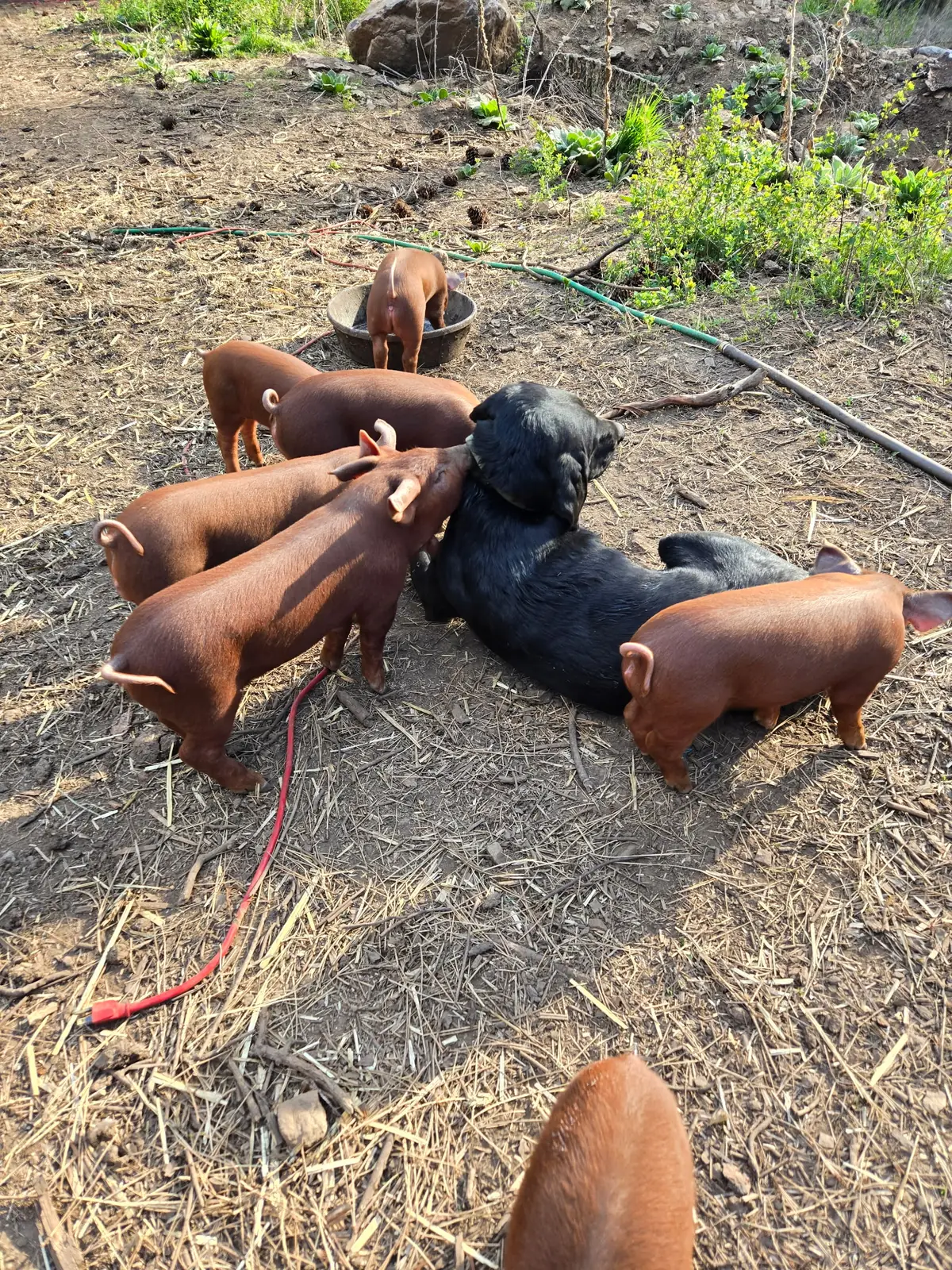
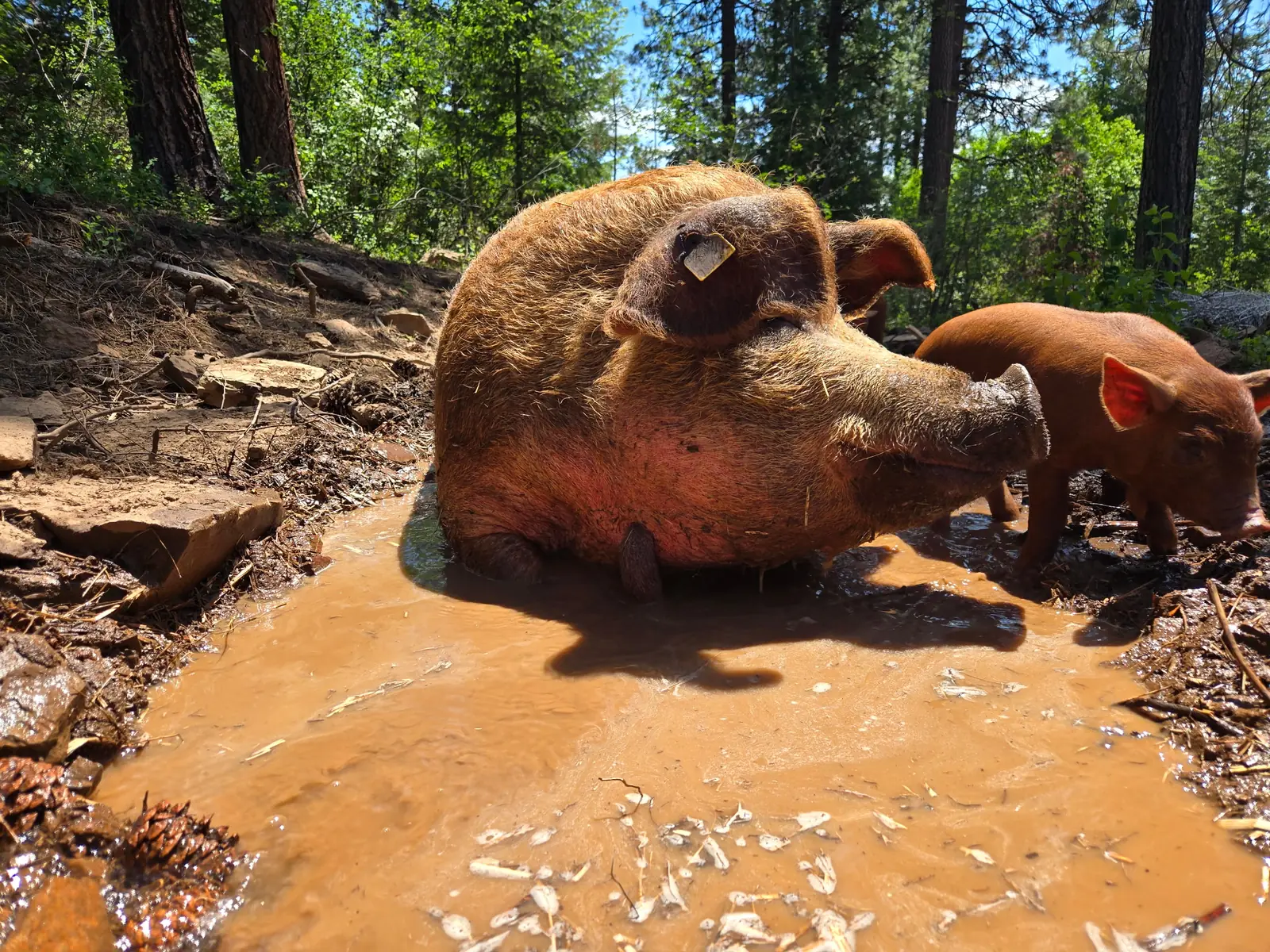
The herd lives outside on forested pasture through every season.
How they're raised
The herd lives outside on forested pasture through every season.
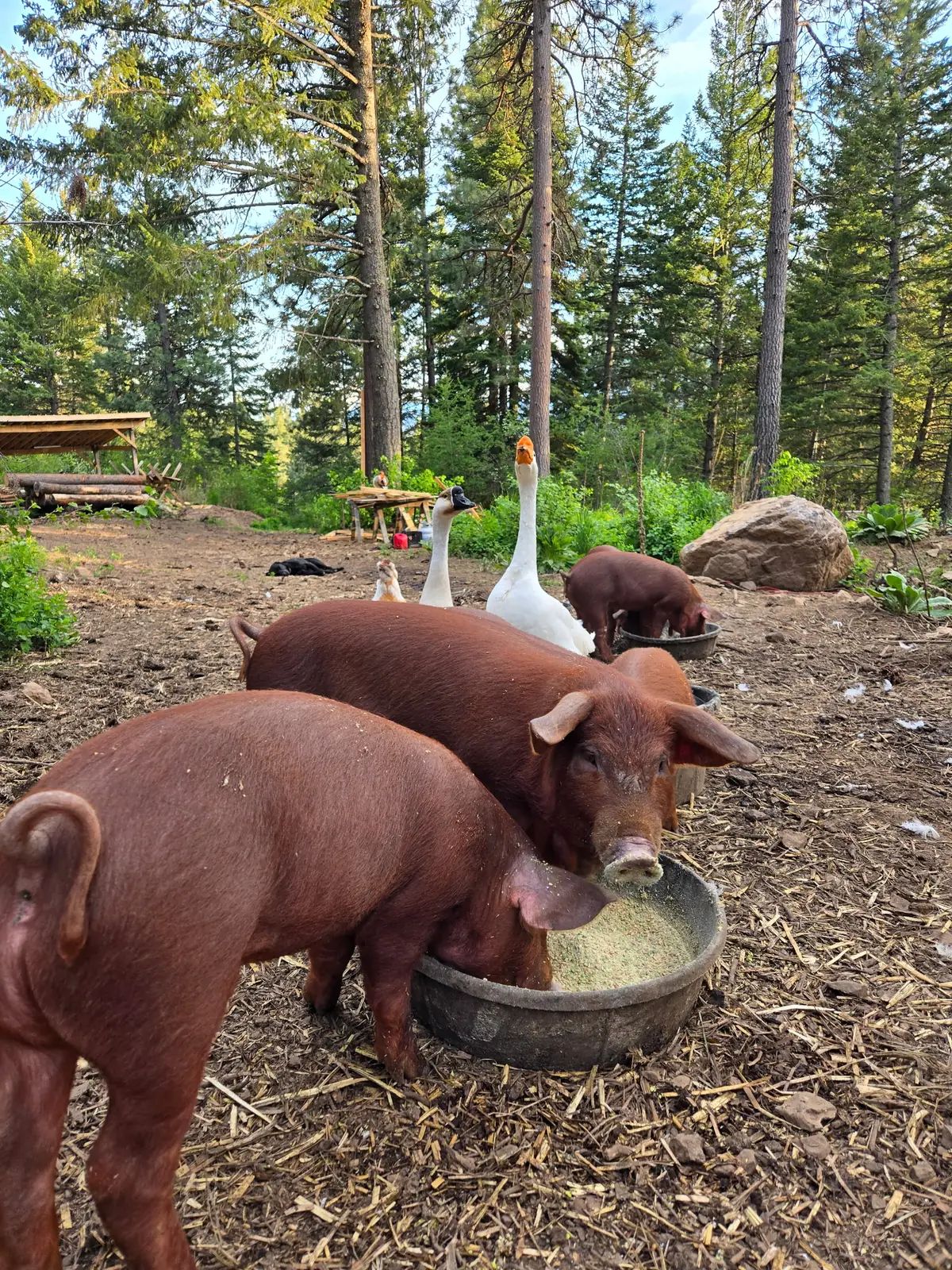
Hogs move through roughly half-acre paddocks every three to four weeks as conditions allow.
A locally made non-GMO blend of barley, peas, and red wheat supplements forage.
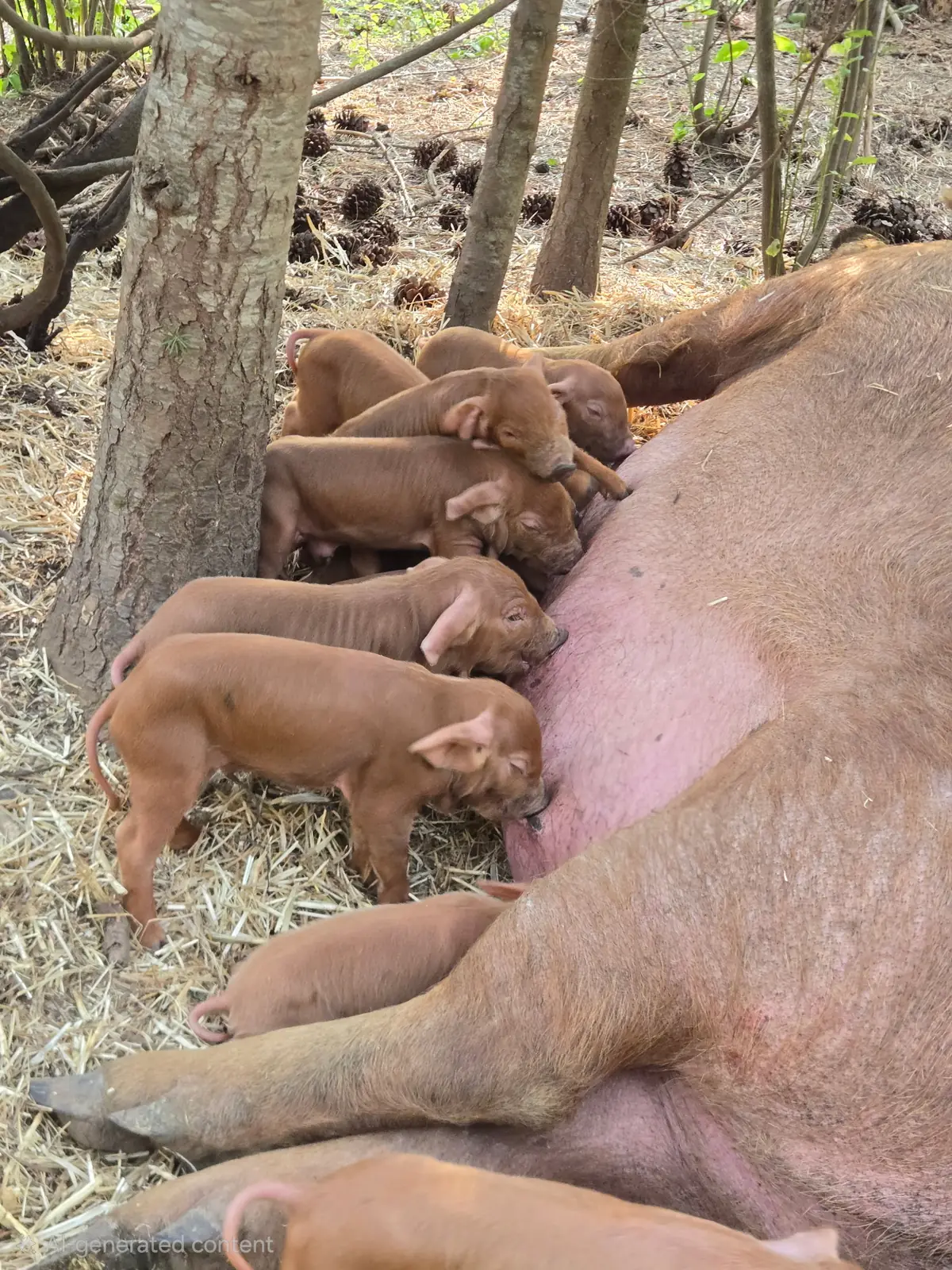
Sows farrow in portable huts or suitable places they choose outdoors.
Temperament, sound legs, mobility, and maternal ability guide breeding decisions.
Ask Jesse about a specific animal's care, history, registration, or suitability.
About Saorsa Farm
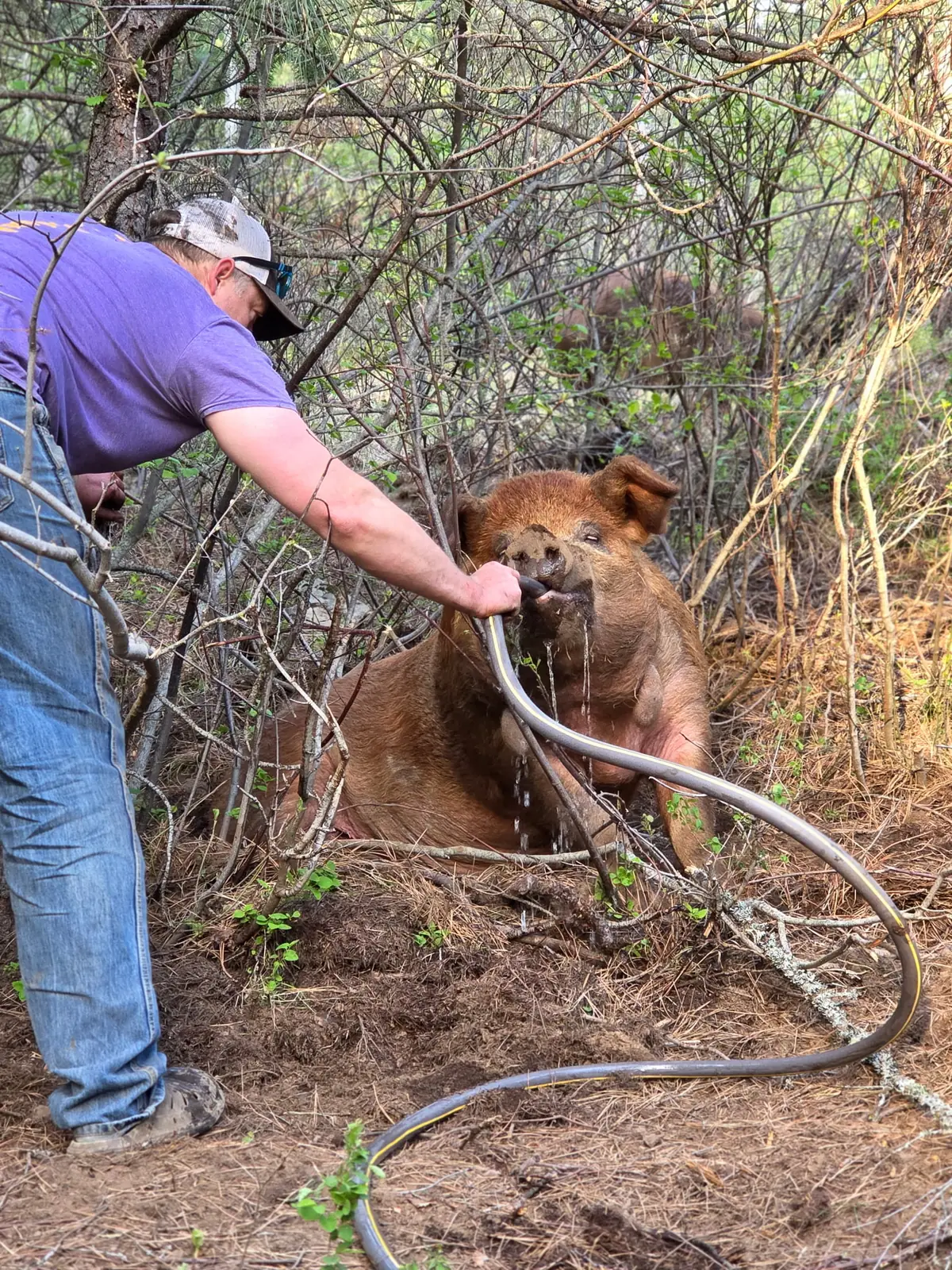
Jesse began raising pigs in 2021 to become more self-sufficient and to know exactly how his food was raised. That meant choosing the feed, limiting unnecessary treatments, and building a system that could produce healthy food close to home.
Earlier breeds struggled with the farm's steep forest pasture, rocky soil, thick brush, and cold Eastern Oregon winters. Jesse brought his first Red Wattles home in 2022 after searching for a hardy, capable pasture pig that could thrive on the land and still produce excellent pork.
“There is a lot of freedom in raising your own food.”
Saorsa means freedom in Gaelic. Here, that means resilient animals, healthier land, and giving families a more direct connection to the food on their table.
Why Red Wattles
Saorsa chose Red Wattles after other breeds struggled to match the farm's steep pasture, brush, rocky soil, and winters. The goal is straightforward: calm, mobile hogs that work outdoors and produce quality pork.
See available pigsAround the farm
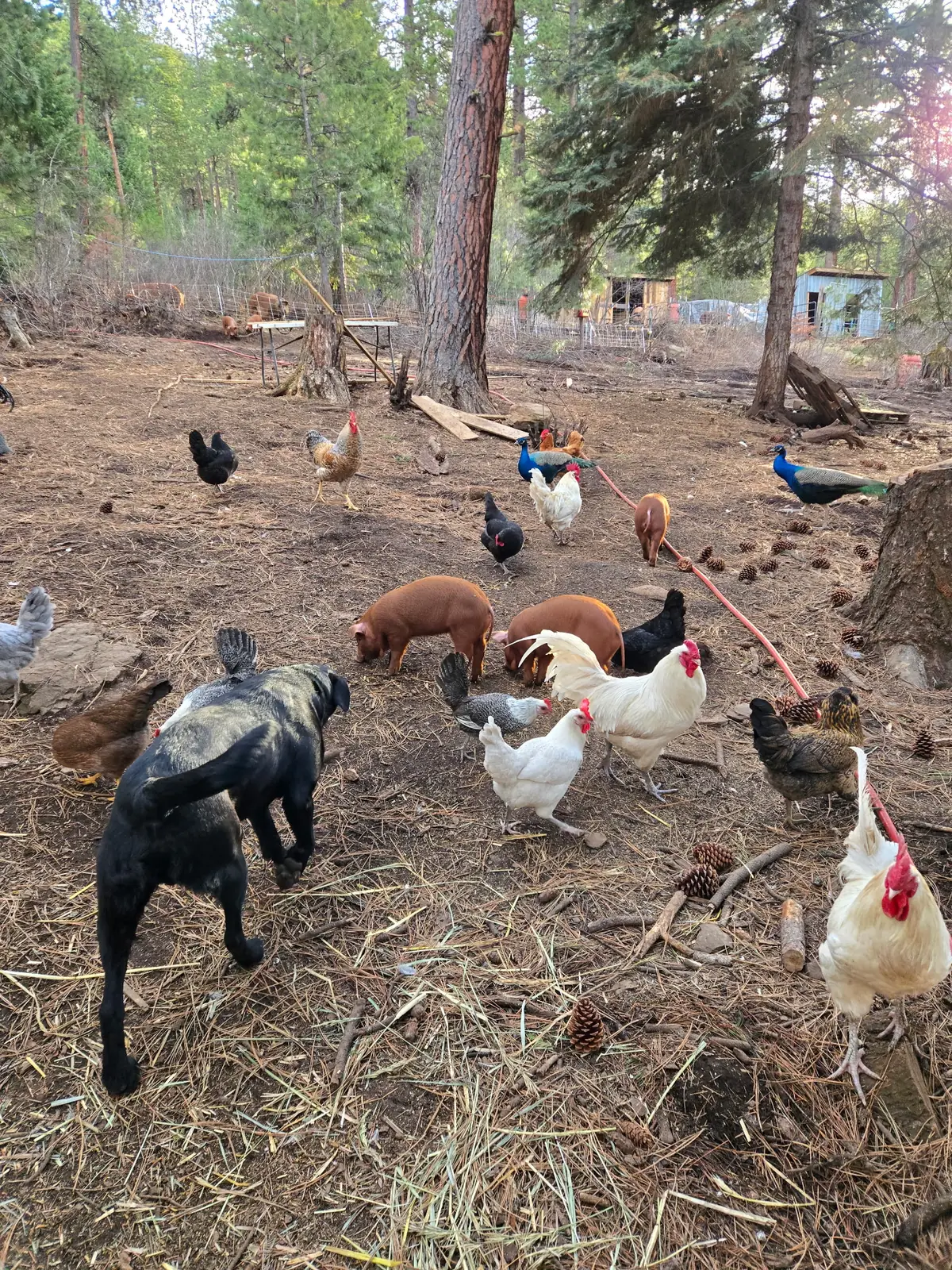
Saorsa Farm photographs from across the seasons.